
Case Study: ‘Damien’s Story’
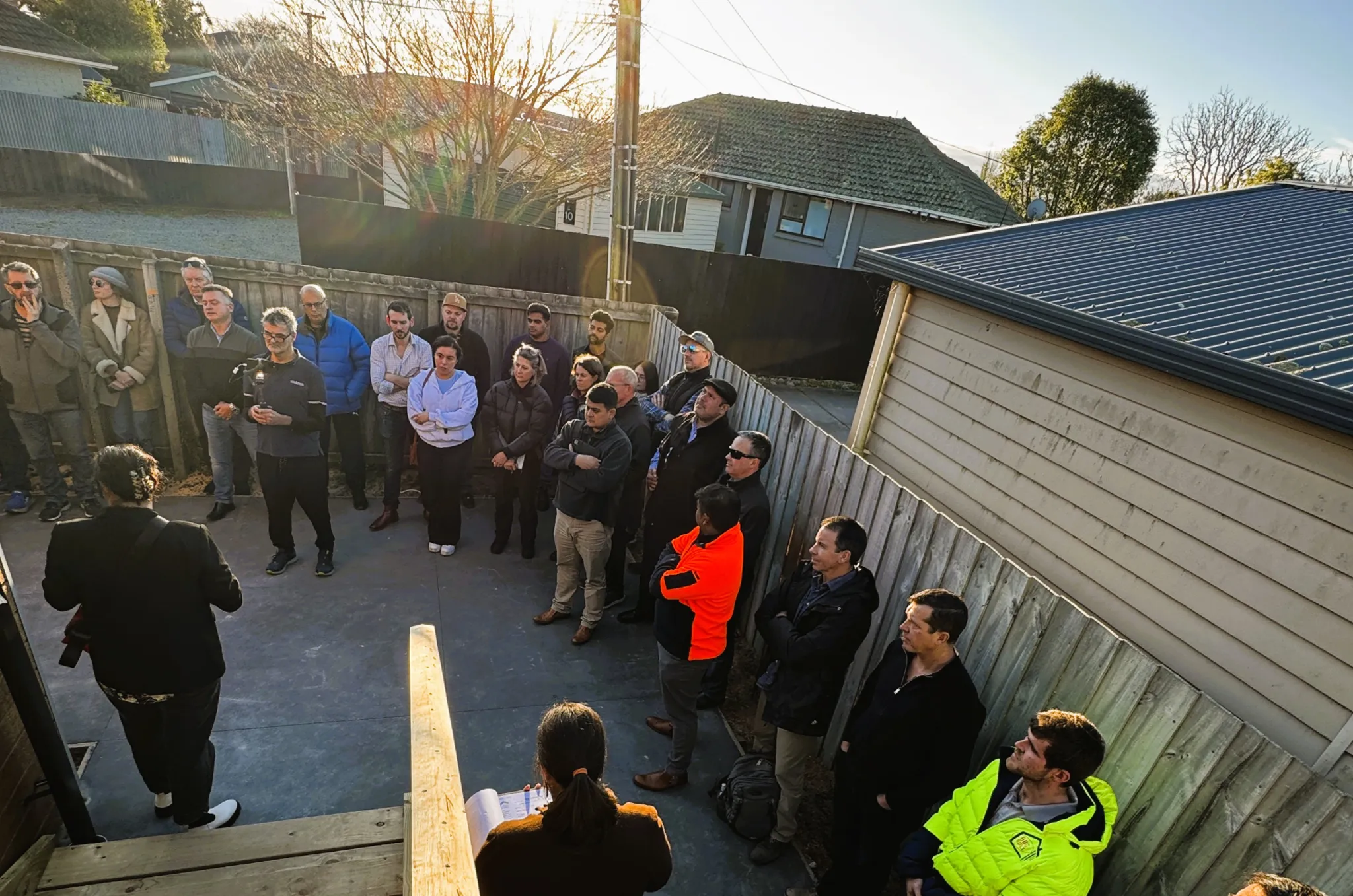
Damien McGill is an engineer who is passionate about building happy, healthy homes. He is an active member of Passive House Institute of New Zealand, (PHINZ), as well as running his own consulting business for healthy home design and construction. He credits the development of helpful narrative communication skills with his success in growing the engagement of the healthy homes conversation generally, and the Canterbury Chapter of PHINZ.
Damien says his engagement with the narrative communication approach also renewed enthusiasm and hope not only for himself but for others who have been exposed to the vision-focused, values-led approach through him.
“
[Damien] changed his style of communication. [He is]… connecting the dots: how we get from A to B to C
”
Who was involved?
Damien McGill is a Certified Passive House Consultant and Tradesperson who has been passionate about building healthy homes, since learning there was a warmer way to live when he was based in the UK between 2001-2011. He runs a business providing engineering advice on living comfortably by building better. He was previously an Executive Member of Superhome Movement and since March 2024 has been the volunteer Canterbury Chapter Lead for Passive House Institute of New Zealand (PHINZ).
PHINZ’ mission is to close the gap between the desired and actual performance of buildings. It does this through research, education and community engagement, while promoting the Passive House Standard.
The Decent Homes Communication Community of Practice (CoP) was established in early 2023 as part of the Healthy Home Communication Action Research project, led by Wellington Regional Healthy Housing Group (WRHHG) and The Workshop.
Why a change was needed
Damien is a regular poster on LinkedIn & Instagram and as a PHINZ Chapter Lead organises monthly events for members of PHINZ and the general public to share knowledge around Passive House principles and values and to foster relationships between people in this space.
Damien was actively trying to engage people in conversations on building better, both on a volunteer basis and via his business The Healthy Home Cooperation. He noticed that much of the messaging being used wasn’t resonating with his audience.
Like others in the sector he recalls feeling frustrated at the lack of change in both public and policy-level understanding and engagement in spite of clear science on the value of healthy homes for individual energy efficiency and community wellbeing.
What happened?
The Healthy Homes Communication Action Research project convened training, carried out research to understand more about current ways of talking about homes and health, created a communication toolkit, and established a Community of Practice (CoP), which brought people with a shared goal together to share, practice and develop their communication skills.
Damien was part of the CoP at its establishment and had completed Narrative Foundations training with The Workshop. He drew on the Toolkit Building Blocks and High-level Key Messages developed under the Action Research project as well as the existing PHINZ ‘checklist’, and research by The Workshop on how to talk about healthy homes in ways that deepen public understanding. Damien’s LinkedIn posting gave him a frequent opportunity to try out new learning in practice, and posts from 2022 onward show the progression of his changing approach to and expertise in communication.
Damien also made use of his skills in other communications including oral presentations at events, submissions to government consultations on relevant policy such as the Building Code, and in general day to day conversation with his peers and the general public.
What else contributed?
Damien’s exposure to the Narrative Communication approach through the CoP and Action Research project built on and was reinforced by other connections. PHINZ had received training and advisory support on the narrative communication approach in the past and had already developed guidance on how to talk about Passive House that Damien was able to draw on. Damien also sought out training opportunities and engaged with experts in the field of narrative communication.
The pre-existing work done by PHINZ and presentations by (Founding Co-Director of The Workshop) Dr Jess Berentson-Shaw at PHINZ Conference events gave him confidence in the narrative communication approach. He credits the CoP with giving him the practical support he needed to practice and develop his skills with confidence.
The impact
1. Damien changed how he communicates
As a result of his engagement with the Community of Practice, Damien changed how he communicates. While in the past he would “just post facts on social media, with negative stats about how bad our broken building or health system is,” he began instead to practice leading with a vision, telling a story around the topic he wanted to talk about and connecting with intrinsic values.
His understanding that “language that floats a technical person’s boat, doesn’t cut it with the general public” has been key to changing Damien’s communication style, both in public and in more private settings.
Others have noticed the change:
“[Damien is] consistent [not in just talking] about some sort of highly technical metrics of passive house but… relating it back to comfortable and healthy homes in… language that normal people can understand.” – External Informant, who has attended PHINZ events.
“[Damien] changed his style of communication. [He is]… connecting the dots: how we get from A to B to C” – External Informant, who has attended PHINZ events.
2. Growing engagement with the Passive House movement and the conversation about healthier homes in New Zealand
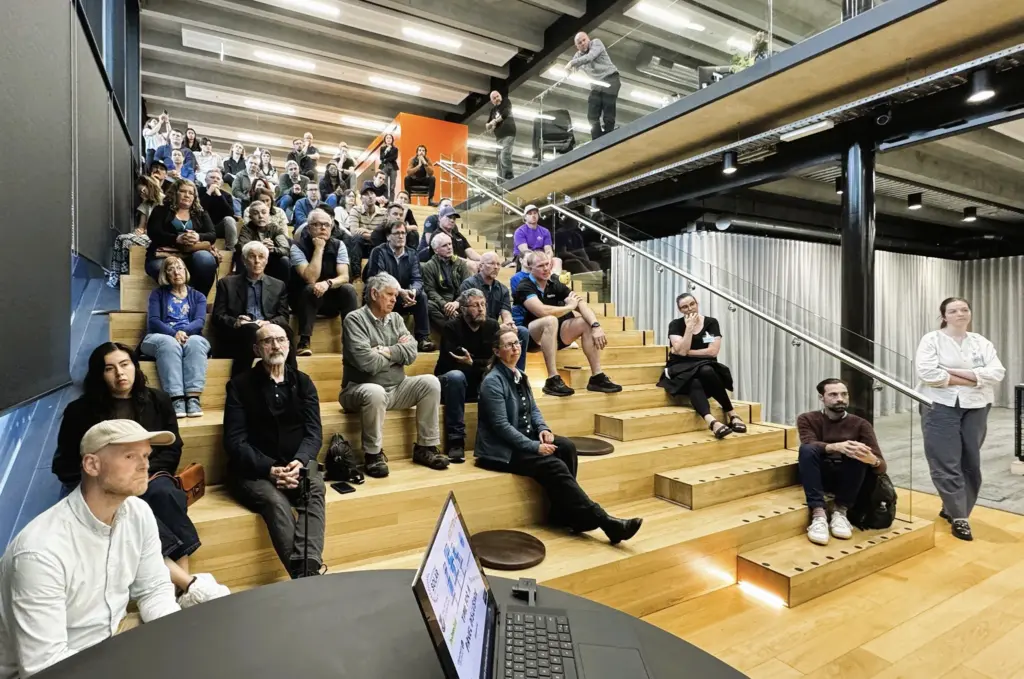
After changing the way he communicated about PHINZ events, Damien has seen an increase in engagement with his social media posts, and attendance increase from around 20-30 people to an average of nearer 50 at each event. Attendees include people in the building industry and members of the public building or planning to build their own homes. Damien believes this increased engagement also signals deepening public and sector understanding of healthy housing.
3. Enthusiasm and hopefulness about the possibility of change increased
Damien describes an increase in enthusiasm and confidence in his work since engaging with the project. He feels he is now more effective at communicating with people about housing, which has renewed his energy for the work.
Damien says he feels much happier telling a story that has a positive message and leading with a vision. He believes the change in communication has helped re-inspire and increase enthusiasm in others who may have been involved in the work for a long time and become discouraged by the lack of progress.
“I had been working with a designer who was on the verge of quitting due to their frustration at the slow pace of change, but is now back on the tools with renewed hope that more enlightened clients are out there.” – Damien McGill
Examples of communication material related to this case study
In Damien’s LinkedIn posts you can see narrative communication at work – vision, values, clear explanations and some well-placed facts.
This post shows how technical content can be framed in a way that works for a broader audience: ‘Housing needs to be fit for people and the planet! – PHINZ event’